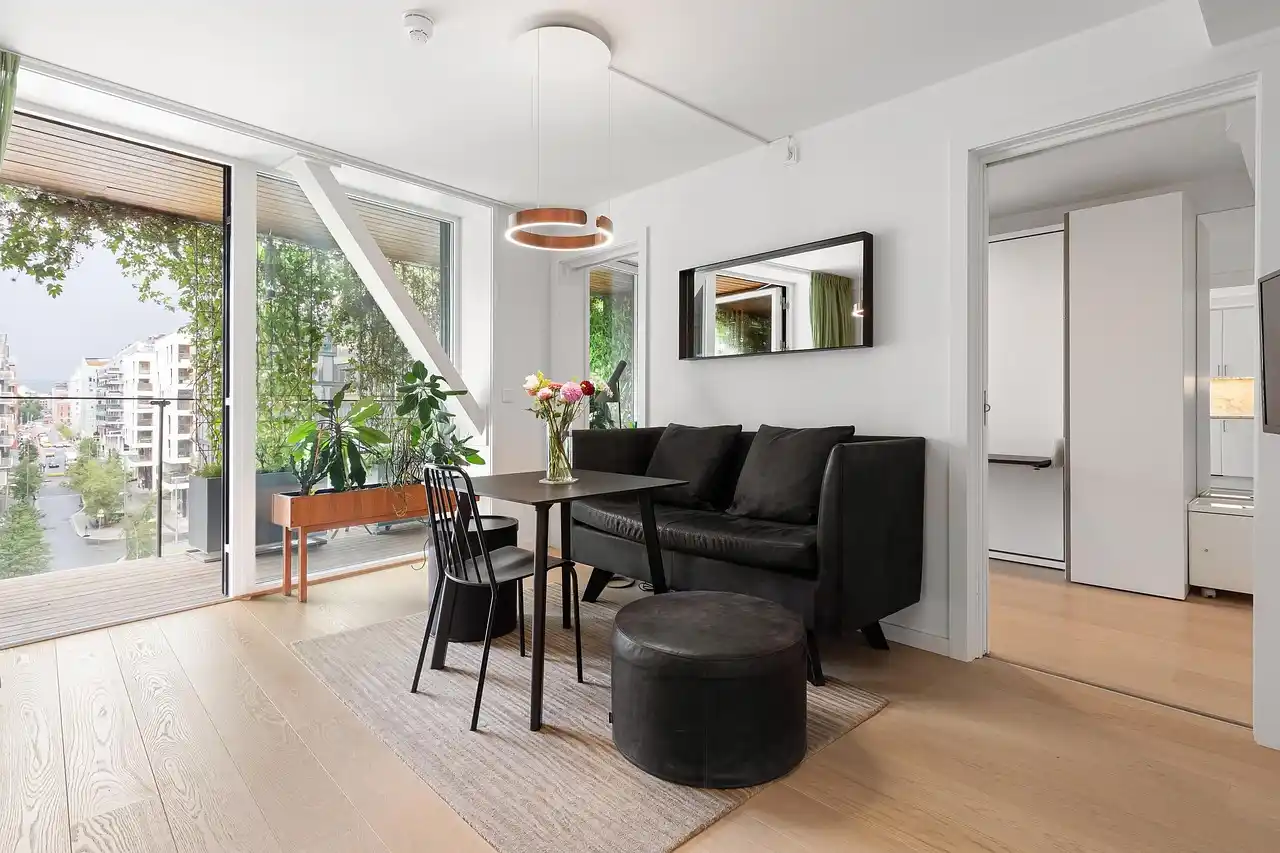
Home Window Tinting: A Complete Guide
Home window tinting is a practical upgrade that applies a thin film to glass surfaces to manage heat, glare, UV exposure, and privacy. When chosen and installed correctly, it can improve interior comfort, protect furnishings from fading, and contribute to lower energy use. This guide explains how tinting works, the options available, and how to select a solution that aligns with your lifestyle and local regulations.
What is Home Window Tinting?
Window tinting uses a transparent film applied to interior or exterior panes. The film can block a portion of infrared heat, reject UV rays, reduce glare, and alter visible light transmission. Home window tinting is popular in sunny climates, multi-story homes, and rooms with large glass exposures. It is important to work with reputable installers who understand glass types, safety standards, and warranty terms to ensure a consistent, bubble-free finish.
Benefits of Home Window Tinting
Tinted windows offer several advantages. First, UV protection helps shield furnishings, flooring, and artwork from fading. Second, glare reduction improves daytime comfort and reduces the need for aggressive lighting. Third, energy efficiency comes from decreased heat gain in warm seasons and less heat loss in cold seasons, potentially lowering cooling and heating costs. Fourth, privacy without sacrificing daylight can be achieved, which is valuable in street-facing rooms and bathrooms. Finally, safety and durability can be enhanced when the film is designed to hold shattered glass in place during impacts.
Types of Window Films
Dyed Films
Dyed films are a budget-friendly option that provide noticeable color and glare reduction. They block some heat and UV rays but may darken over time as dyes fade. Typical maintenance is straightforward, but these films can be less durable in extreme conditions.
Metalized Films
Metalized or metallized films reflect a portion of solar energy, which can significantly reduce heat. They may interfere with certain electronics and antennas if used on large expanses, so installation planning is important.
Ceramic Films
Ceramic films offer high UV protection and strong heat rejection without compromising color or clarity. They are often more expensive but maintain visibility and resist staining over time, making them a popular choice for busy homes.
Carbon Films
Carbon-based films combine good UV rejection with a matte appearance and moderate heat control. They tend to be durable, retain color well, and are suitable for modern aesthetics.
Choosing the Right Film for Your Home
Key considerations include climate, orientation of glass (south-facing or west-facing windows receive more sun), and the amount of daylight you want to preserve. Look for a film with strong UV rejection—ideally blocking 99% of UV rays—while selecting a Visible Light Transmission (VLT) that suits your comfort and privacy needs. If you plan to install on multiple rooms, factor in consistent aesthetics and warranty coverage. Always verify that the product is from a reputable manufacturer and that the installer provides certification and a written warranty.
Installation Options: DIY vs Professional
DIY tint kits are available, but achieving a flawless, streak-free finish on large or curved panes is challenging. Professional installation ensures precise cutting, bubble-free application, and uniform visibility across all panes. Pros can also help with window frame prep, edge sealing, and ensuring compatibility with existing seals and thermal breaks. A qualified installer will typically offer a manufacturer warranty and post-installation support, which can be valuable for long-term performance.
Costs, Warranties, and Maintenance
Costs vary based on film type, number of windows, and installation complexity. While a dyed or basic film might be cheaper, ceramic and carbon films generally cost more due to performance and durability. Most residential projects involve a warranty ranging from five to ten years, with some premium options offering even longer coverage. For maintenance, use non-abrasive, mild cleaners and soft cloths to avoid scratching the film. Avoid ammonia-based cleaners on certain brands, and address any installation issues promptly with your installer.
Legal and Safety Considerations
Local regulations, HOA guidelines, and building codes can influence tint choices, especially for egress doors, basement windows, or glass used for emergency exits. Some jurisdictions restrict the level of tint in ground-floor spaces or near entryways to preserve safety and visibility. Always check with local authorities and obtain any required permits or approvals before installation. Hiring a licensed, insured installer who follows manufacturer guidelines helps ensure safety and compliance.
Comparison of Common Window Films
| Film Type | UV Rejection | Visible Light Transmission (VLT) | Heat Reduction | Privacy | Durability | Approx. Cost Indicator |
|---|---|---|---|---|---|---|
| Dyed | Moderate-High | 35%–60% | Moderate | High | Moderate | Low to Moderate |
| Metalized | High | 25%–45% | High | High | High | Moderate |
| Ceramic | Very High | 25%–60% | Very High | Medium-High | High | High |
| Carbon | High | 40%–70% | High | Medium-High | High | Medium-High |
Note: Prices and warranties vary by brand, window size, and installation region. Always request a written quote, confirm the warranty terms, and verify that the installer is trained on the specific film you select.
Conclusion, home window tinting offers tangible benefits—from energy savings to enhanced comfort and privacy. By selecting the right film, verifying installer credentials, and following maintenance best practices, homeowners can achieve lasting value while complying with local regulations.